


















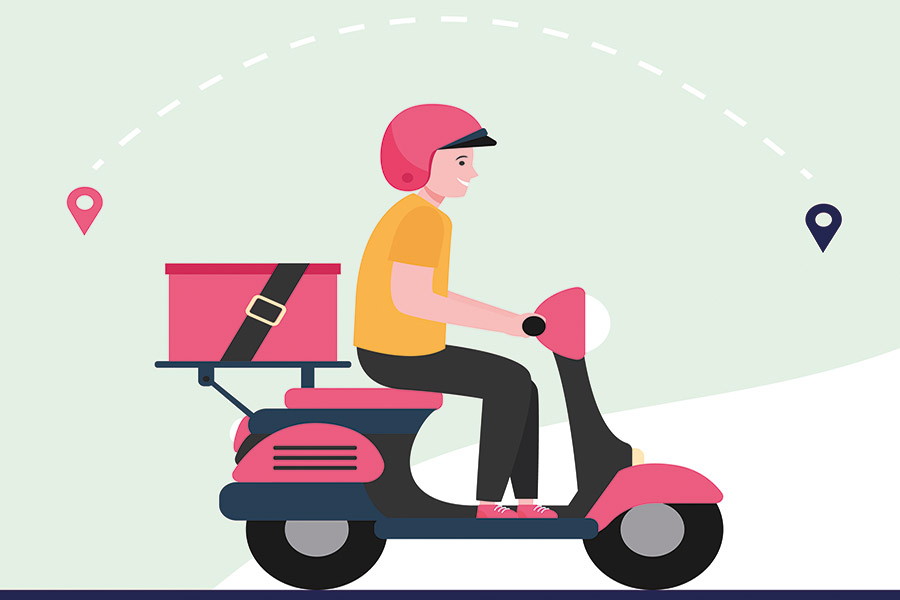
There was a time when a side hustle sounded like extra money. It was the weekend bartending shift, the occasional freelance gig, the small online shop or the rideshare hours you picked up when you wanted a little breathing room.
Now it looks more like a second job after the first one, a third stream of income after the second and a constant scramble to keep rent paid, groceries bought and the lights on. We keep calling it hustle culture as if a new label can make an old problem look exciting.
That is the lie at the center of the modern side hustle. It is sold as freedom, ambition and an entrepreneurial spirit. Sometimes it is those things. More often, however, it is a patch for wages that do not stretch far enough, and an economy that asks people to absorb more risk with less security.
The clearest symbol of that failure is still the federal minimum wage. It remains $7.25 an hour and has not changed since July 24, 2009. That is not just outdated; it is absurd. Even in states that have raised their wage floors, the broader problem persists. Pay has struggled to keep pace with the actual cost of living. Rent, food, transportation and health care have all kept moving and workers are expected to make up the gap with “initiative.”
This is not just a feeling people are having in private. The Bureau of Labor Statistics estimated that 5.4 percent of employed people held multiple jobs in 2025. That may not sound enormous at first glance, but it translates into millions of people whose main paycheck alone is not enough. A second job used to be read as temporary or exceptional. Now it increasingly reads as practical, expected and worst of all — normal.
Meanwhile, the kinds of work people are pushed toward are often treated as glamorous versions of precarity. In 2023, the Bureau of Labor Statistics found 11.9 million people were independent contractors on their sole or main job, representing 7.4 percent of total employment.
Some people genuinely prefer that arrangement and fair enough. However, the same report also found that full-time independent contractors had lower median weekly earnings than workers in traditional arrangements. In other words, “be your own boss” too often means “carry your own instability.”
And the bills are not exactly pausing out of courtesy. In February 2026, consumer prices were up 2.4 percent over the year. Shelter was up 3 percent. Food away from home was up 3.9 percent. Medical care was up 3.4 percent.
Yes, real average hourly earnings were also up over the year and that matters. However, a modest gain on paper does not erase years of affordability pressure or change how it feels to watch every category of adult life get more expensive at once.
That is why celebrating side hustles feels so dishonest. It turns a structural problem into a personality trait. It flatters people for adapting to conditions they should not have been forced to adapt to in the first place. It tells workers that exhaustion is proof of character and tells them that driving all weekend after working all week is not a warning sign but a brand.
A side hustle should be just that: a side hustle. Something extra. Something chosen. Something that funds a trip, a hobby or a little peace of mind. It should not be grocery money, rent money or the thing standing between a working person and disaster.
A side hustle is only empowering when it is optional. When it becomes a basic condition of survival, it is not empowerment. It is an economy admitting, in plain view, that one job no longer does what a job is supposed to do.
The reality of side hustles
They aren’t empowerment, they are a symptom of a broken economy
April 6, 2026
Story continues below advertisement